




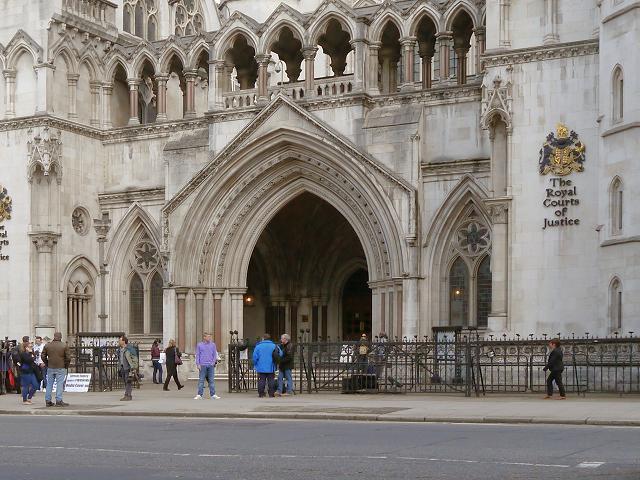



A disabled Taunton resident has won his High Court battle over Somerset Council's "discriminatory" and "irrational" council tax reduction scheme.
The council made changes to its council tax reduction scheme before setting its annual budget in February 2025, intended to standardise the level of support offered across Somerset while addressing its wider financial pressures.
A study by Citizens Advice Somerset in late-2025 discovered that more than 4,000 people receiving universal credit - specifically the limited capability for work-related activity (LCWRA) element - have been hit with higher council tax bills as a result of the council's changes coinciding with wider central government reforms.
Taunton taxpayer Andy Mitchell was granted permission in January to bring a judicial review against the council, challenging the lawfulness of its current scheme.
The court ruled in Mr Mitchell's favour in its final judgement on Thursday (November 12) - meaning the council may have to make significant changes to its support scheme ahead of February's budget.
Read more
Mr Mitchell is disabled and unable to work because of "multiple physical and mental health conditions".
Until recently, he did not have to pay council tax under the council's previous reduction scheme in recognition of his disability.
However, after being migrated from ‘legacy’ benefits to universal credit, the council reassessed his entitlement and drastically reduced the relief he receives towards council tax.
Mr Mitchell was subsequently liable to pay 90 per cent of the council tax bill for his property, receiving a reduction of only £2 per week - leaving him with an annual bill of more than £1,100.
Represented by law firm Leigh Day, Mr Mitchell argued that the council’s scheme was irrational and unlawfully disadvantaged disabled people, and that the authority had "failed to properly consider the impact" of its scheme in line with the Equality Act 2010.

The High Court ruled on Thursday (November 12) in Mr Mitchell's favour on all points, stating that the council's actions were "unlawful" and based on rules which were "irrational and discriminatory".
The court said that the council's exceptional hardship scheme (which helps individuals who are struggling to pay their council tax) "does not remove or substantially mitigate the severe impact of this difference in treatment on disabled people".
Following the ruling, Mr Mitchell said: "This judgement is a huge relief.
"When I was moved onto universal credit, I was told that my income would be protected and that I would not be worse off financially.
Yet I suddenly found myself facing a council tax bill of more than £1,000 a year despite nothing changing about my health, circumstances or needs.

"I brought this case because I believed that could not be right, and I am delighted that the court has agreed.
I know there are many other disabled benefit claimants who have experienced the same shock after moving onto universal credit and struggled to meet their council tax liability.
"I hope this judgement helps ensure that people are treated fairly and that no one is penalised simply because of the type of benefit they receive.
"This is money the council should never have demanded from thousands of disabled people across Somerset."
Human rights solicitor Carolin Ott (one of Mr Mitchell's two representatives in court) added: "The issues raised by Andy’s case are not unique to Somerset.

"Other local authorities operate schemes that take a similar approach and we expect this judgement to have significant implications beyond Somerset.
"We are already hearing from people across the country who believe they have been adversely affected by similar council tax reduction rules.
"We would encourage anyone who thinks they may have been impacted to contact our team at UniversalCreditQueries@leighday.co.uk."
The court's ruling has been welcomed by the Conservative opposition group on Somerset Council, which voted against the changes when the full council met in Bridgwater in December 2024.
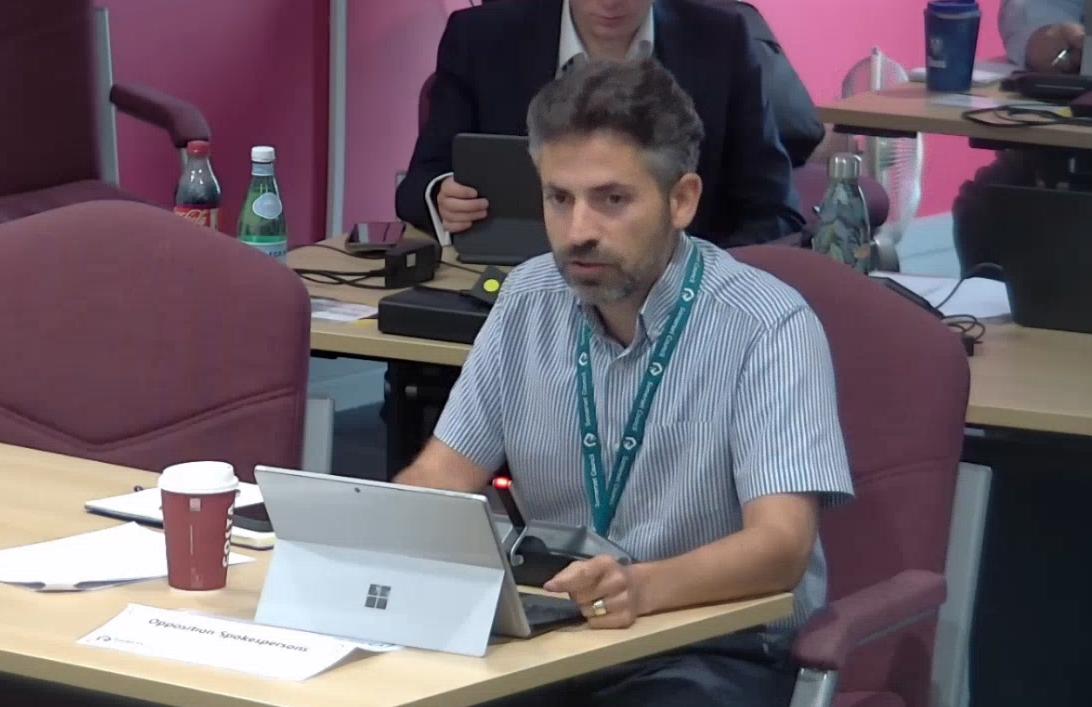
Councillor Diogo Rodrigues (who represents the Bridgwater East and Bawdrip division) said: "We voted against pushing some of Somerset's most vulnerable people further into poverty, while the Liberal Democrats, Labour and Greens voted in favour.

"Almost two years later, we now have a High Court judgement finding that the council's rules unlawfully discriminated against a disabled resident.
"The Lib Dems have driven the council's finances into the ground, but we cannot balance the books on the backs of disabled households and some of the most vulnerable people in our county.
"The council's own assessment warned that thousands of disabled households would lose financial support, and we now need to establish how many people have been affected specifically by the unlawful rules.
"It cannot be right that vulnerable residents should have to fight individual legal battles to get back money they should never have been asked to pay."
Councillor Leigh Redman, who leads the opposition Labour group, said the court's ruling was "a watershed" and paid tribute to Mr Mitchell for his "courage and determination" in bringing the judicial review forward.

Mr Redman - who represents the Bridgwater North and Central division - added: "Taking on a local authority in the High Court is no small feat. It requires immense resilience, patience, and a deep sense of fairness.
"By standing up for his own rights, Andy has stood up for thousands of vulnerable people across our county who suddenly found themselves facing unmanageable bills through no fault of their own.
"While we celebrate this outcome for disabled residents, as a councillor, I also have a responsibility to look closely at what this means for the council’s finances, governance, and immediate next steps."
Changes to the authority's council tax reduction scheme came before its corporate and strategic scrutiny committee on Wednesday (November 11) - proposals which may now need to be revised in light of the court ruling.
Deputy leader Liz Leyshon (who represents the Street division) said: "This case came forward following national changes to benefits which impacted on some local recipients of council tax reduction.

"Supporting residents in need always comes first, but this matter was complex and we believed we responded in the most appropriate way.
"However, we acknowledge the court’s judgement and recognise the impact of the changes on Mr Mitchell.
"Our immediate priority is to address Mr Mitchell’s case, ensure council tax reduction is being assessed lawfully, and establish whether any other residents may be affected.
"This ruling raises important questions about how national decisions have impacted on local council tax reduction schemes across the country, and we are considering whether there are any aspects of the judgement which a higher court should be asked to look at.
"We will provide a further update, including clear information for residents, once we have established the appropriate next steps.
"We remain committed to supporting residents who may need help with their council tax.
"We will review our draft council tax reduction scheme for 2027/28 in light of this judgement, with proposals to be considered by the executive committee in early-December."


Share